
United States
Freight forwarder to Hawaii: Best Packing Materials for Ocean Shipping
A freight forwarder to Hawaii is often the first thing people search for when they realize shipping across the Pacific is not as simple as sending a package across town.
I remember helping a friend relocate from California to Oahu, and the biggest mistake we made early on was underestimating how important packing materials were.
Ocean shipping is a completely different environment, where humidity, salt air, and long transit times can damage even the most carefully packed items.
By the time we figured it out, we had to repack half the shipment because we used basic moving boxes that were not built for ocean freight.
That experience completely changed how I approach international shipping and cargo preparation.
If you are planning a move or sending goods, choosing the right packing materials can save you from unnecessary damage and unexpected costs.
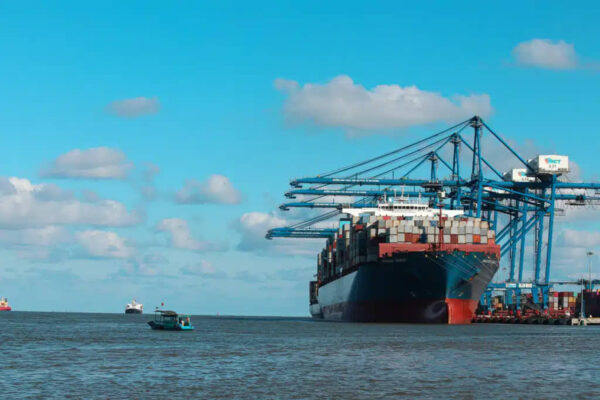
Why Ocean Shipping Requires Specialized Packing
Shipping by sea exposes your cargo to conditions you will never face with standard ground shipping.
Containers travel for days or weeks, often through varying temperatures and humidity levels.
I once opened a container after a long shipment and noticed condensation on the inside walls.
This is known as container rain, and it can soak cardboard boxes if they are not properly protected.
That is why moisture control and durability matter more than appearance, especially when working with a trusted freight forwarder to Hawaii that understands these conditions.
Salt air can also corrode metals and weaken certain materials.
Without proper wrapping and sealing, electronics and furniture can suffer long-term damage.
Professional shipping services always emphasize protective layering because they have seen these risks firsthand.
Choosing Strong, Double-Walled Boxes
Not all boxes are created equal when it comes to ocean freight.
Single-wall cartons might work for local deliveries, but they can collapse under the weight of stacked cargo inside a container.
Double-walled boxes offer extra strength and help maintain their shape during long-distance shipping.
When I helped pack a shipment of household items, we noticed that weaker boxes at the bottom started to cave in before loading was Ceven finished.
That taught me quickly that stronger materials are not just a preference, they are a necessity.
Freight logistics professionals always recommend reinforced cartons for heavy or fragile items.
Spending a bit more upfront on quality boxes can prevent expensive losses later.
Using Plastic Bins for Moisture Protection
Cardboard absorbs moisture, which can become a major issue during ocean transport.
Plastic bins offer a much better option when you want to protect your belongings from humidity.
I have personally used plastic containers to ship electronics and important paperwork, and everything arrived completely dry.
These bins are especially useful for clothing, books, and anything sensitive to water damage.
Although they are heavier, the added protection makes them a smart investment.
Many shipping experts also suggest combining plastic bins with moisture absorbers to reduce humidity inside containers.
Bubble Wrap and Cushioning Materials
Fragile items need more than just a sturdy box.
They need proper cushioning to absorb shocks during handling and transit.
Bubble wrap is one of the most effective ways to protect delicate items.
Each item should be wrapped individually to prevent contact with other objects.
I once packed glassware by wrapping multiple pieces together, thinking it would save time.
Several of them chipped because they rubbed against each other during transport.
That mistake taught me that separation is just as important as cushioning.
Packing peanuts, foam inserts, and air pillows also help fill empty spaces and prevent movement inside boxes.
Stretch Wrap for Securing Items
Stretch wrap is often overlooked, but it plays a critical role in ocean shipping.
It helps secure items and protects them from dust and moisture.
When we shipped furniture, wrapping everything tightly kept drawers from opening and prevented scratches.
It also helped keep multiple items bundled together during loading.
This material is especially useful for palletized shipments, where stability is key.
Shipping professionals rely on stretch wrap to keep cargo secure during long journeys.
Palletizing for Safer Transport
Palletizing is one of the most effective ways to protect your shipment.
It involves placing goods on pallets and securing them for easier handling.
This reduces the number of times items are handled, lowering the risk of damage.
I once compared two shipments, one palletized and one not.
The palletized cargo arrived in much better condition with fewer issues.
Using pallets also improves efficiency in logistics and makes loading and unloading faster.
It is a simple step that can make a big difference in overall shipping safety.
Sealing and Waterproofing Techniques
Proper sealing is essential when shipping across the ocean.
Even small openings can allow moisture to get inside boxes.
High-quality packing tape should be used on all seams to ensure a tight seal.
For extra protection, waterproof liners can be added inside boxes.
When packing kitchen items, we lined boxes with plastic bags to protect against moisture.
This added layer helped keep everything dry during transit.
Desiccants can also be included to absorb excess moisture inside containers.
These small additions can significantly reduce the risk of damage.
Labeling and Inventory Management
Clear labeling makes a huge difference when managing shipments.
Every box should be labeled with its contents and destination.
This helps both you and the shipping provider keep track of your items.
I once received a shipment where several boxes had no labels, and it took hours to sort everything.
Proper labeling saves time and reduces confusion during delivery.
Creating an inventory list also helps ensure nothing goes missing.
It is a simple step that adds an extra layer of organization and control.
Avoiding Common Packing Mistakes
One common mistake is overpacking boxes.
Heavy boxes are harder to handle and more likely to break.
Another issue is leaving space inside boxes, which allows items to shift during transit.
Using low-quality materials is also a frequent problem.
Cheap supplies may seem like a good deal, but they often lead to damaged goods.
From my experience, investing in quality materials from the beginning is always the smarter choice.
It saves time, money, and stress in the long run.
Final Thoughts on Ocean Freight Packing
Shipping across the ocean requires more preparation than most people expect.
The right packing materials can make the difference between a smooth delivery and a costly problem.
From strong boxes to moisture protection and proper sealing, every detail matters.
Based on my experience, taking the time to pack correctly is always worth it.
It reduces stress and ensures your items arrive safely.
With the right approach, ocean shipping can be reliable, efficient, and worry-free.